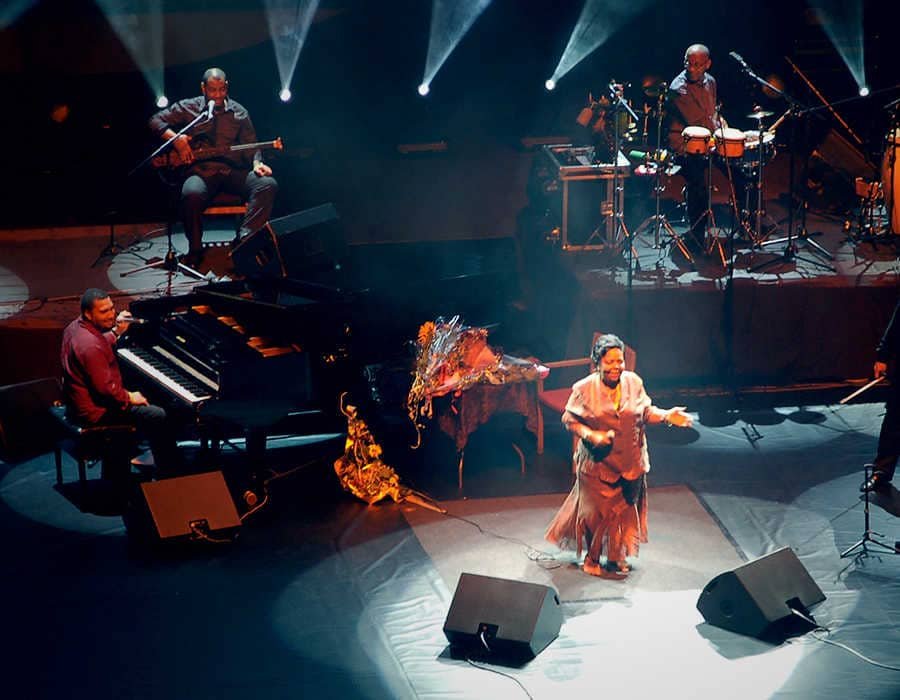



Music in Cape Verde is more than just an art (and what an art it is!). It’s also a vital necessity for its people.
If you travel to the archipelago and come back without listening to their music…well, it simply wouldn’t make any sense.
Today we are not going to introduce you to the great icons of music in Cape Verde, such as Cesária Évora, Elida Almeida, Tito Paris or Mayra Andrade. Instead, we are going to tell you a little story we experienced on one of our trips to the archipelago.
Music in Cape Verde, beyond the big names
We found ourselves on the island of Santo Antao, on a Friday in October. After walking all day between Cruzinha and Ponta do Sol, we arrived at the Música do Mar guesthouse, excited to have one more adventure in our backpack. Our eyes were still imprinted with all the overwhelming landscapes that the day had left us. We deserved a relaxing afternoon with a couple of cold beers and a good dinner. So after a well-deserved shower, we went down to the hostel terrace, ready to let the hours pass by, one after another.
"A guitar, a cavoquinho and a couple of coconut-shell eggs filled with stones formed the perfect orchestra."
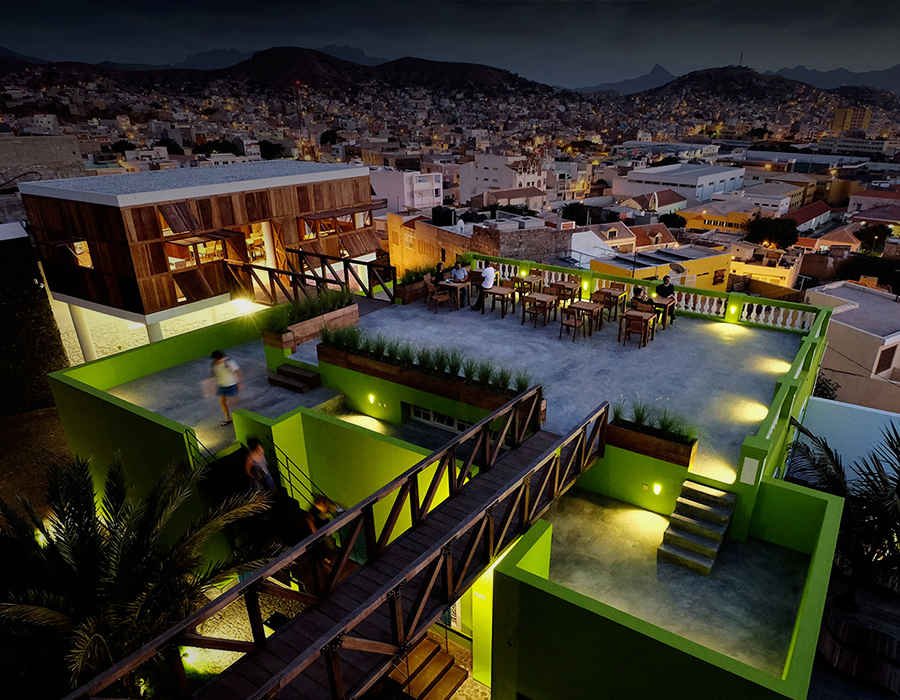
The terrace of the guesthouse was set at street level, on a corner and in front of the sea; a gift of a location for tourists and locals who were gradually filling up the tables and seats.
Weekends bring even more joy
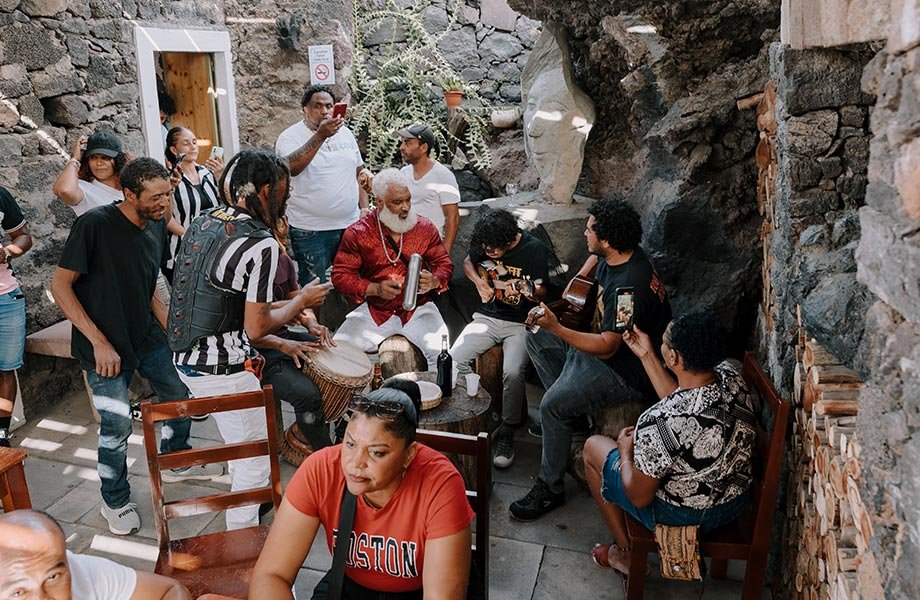
It was Friday, and at the Música do Mar guesthouse, that meant a night of live music for everyone present. A weekly tradition that filled the place and the street in front of it with popular Cape Verdean songs. The people in charge of the party were all relatives of one of the receptionists, who, out of love of music and Cape Verdean rhythms, came punctually every weekend. Anyone willing to experience a pleasant evening could enjoy an authentic experience to the rhythm of the morna, the funaná, the coladeiras or the batuque.
Music in Cape Verde, a legacy of the people
Sitting at the table and with dinner already ordered, the party began: music and impromptu dances with more rhythm than we had ever seen. What a sense of rhythm, and what hip movements the Caboverdians make! To the beat of a song by Tito Paris, we began to dine on fresh tuna and salad. Meanwhile, all the surrounding tables were getting full and a small crowd of children and tourists came to watch the revelry.
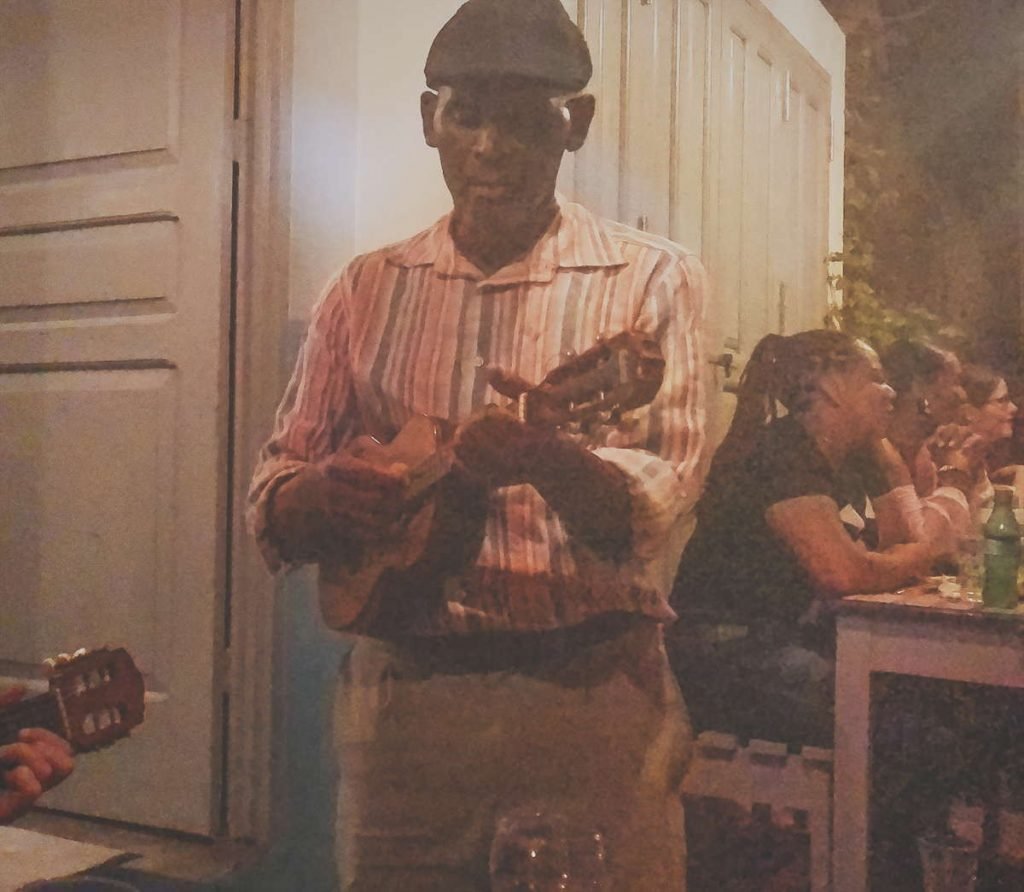
Four-string cavoquinho detail
A guitar, a cavoquinho (a small guitar with 4 strings) and a couple of coconut-shell eggs filled with stones. This was the perfect orchestra to set the mood for such a special night. We felt part of the moment and for two or three hours, the music brought us all together, making us forget the different origins of all the people who were there. Perhaps it was the universal power of music, which erases cultural and linguistic borders, and wipes away prejudices and mistrust.
We've got rhythm, but we're light-years away from those moves
The night ended later rather than sooner, and the Cape Verdean songs ended up mixing with other classics such as “Guantanamera” or “la Bamba”. We showed the locals that we Europeans can also have rhythm, even if our hips are made of steel compared to theirs.
This is one of many stories, as music in Cape Verde is omnipresent across all the islands. While it is true that you will find more live shows in Mindelo or urban areas, it is by no means unusual to enjoy music in Cape Verde anywhere.